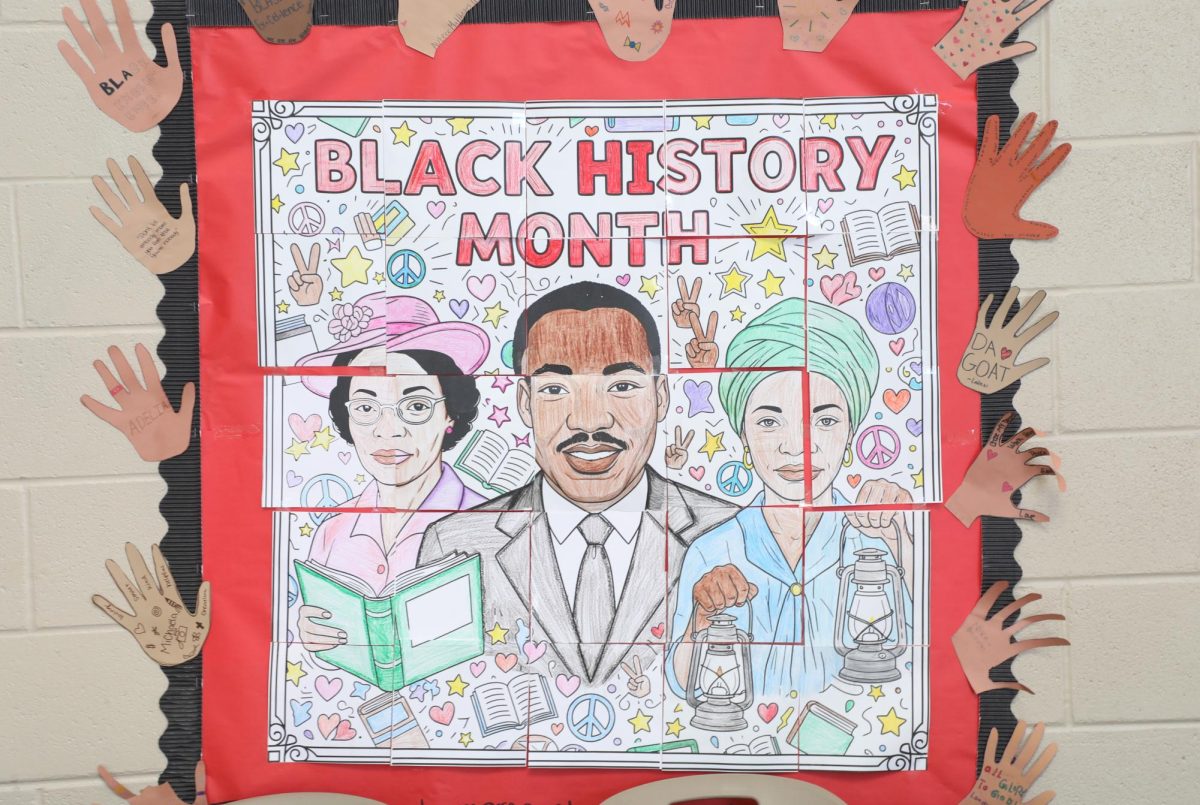
The U.S. has officially celebrated Black History Month for 50 years. It was founded in 1976 by Carter G. Woodson, a historian known as the “Father of Black History,” and the ASALH (Association for the Study of African American Life and History). It was once known as “Negro History week” in 1926 before it was made a full month in 1976.
Woodson chose the month of February for the recognition because it aligned with Abraham Lincoln and Fredrick Douglass’ birthdays, both prominent figures in abolishing slavery.
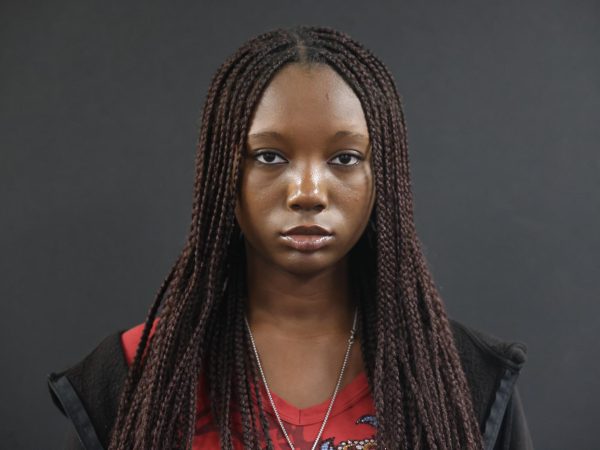
Multicultural Student Union Vice President Neesya Cruise believed that incorporating these histories did more than fix facts, but also reformed how people saw one another.
“I feel like in some cases black history has brought more respect,” Cruise said. “People are more compassionate when it comes to a person of color. Knowing the things that they went through or their people went through to get here and how they were treated. Therefore they feel that it’s their responsibility to treat them a different way, positively, sometimes.”
Cruise felt that black history was a fundamental part of American history and the development of America. She believed that educating people on topics of black labor, social development, and cultural impact was important to preserve history and ensure a more accurate and inclusive understanding of the nation’s past.
“It has increased in a positive way for some people because some people are genuinely nice people. It also still has its effect on some people who are still going to hold on to their opinion on people of color or have an image painted based off of the way that they were brought up, so that goes back to the education aspect of it.”
Cruise felt that true progress required people to care about Black history, not just as a school subject, but as a guide for how to treat one another with dignity and by honoring the struggles and hardships of those from the past. This conviction empowered sophomore Londyn Grisby to advocate for herself.
“My greatest accomplishment is speaking out and doing more to do so. If somebody’s saying something racist about my color, or if I feel like they’re saying something that’s directed to me, I will speak out about it and talk about it just to let them know how I feel about it,” sophomore Londyn Grisby said.